Things I’ve Learned Not to Gift My Cyclist Boyfriend (and what actually works)

An observational study from someone who gifted the wrong things too many times.
Buying gifts for a cyclist boyfriend seems easy at first.
They have one very obvious interest. One clear hobby. An entire personality built around riding bikes up mountains for fun.
How hard can it be?
What I didn’t realise in the beginning is that cyclists don’t just “like cycling.” They each exist inside their own very specific world of preferences, routines, opinions, and strangely intense emotional attachments to things like tires.
From the outside, it looks simple:
Boyfriend rides bike.
From the inside, it’s apparently a carefully built system where each and every decision has consequences and every item of clothing is part of a larger system I still don’t fully understand.
I’ve learned this slowly. Mostly by getting things slightly wrong.
Gifts, Clothing, and the Rules No One Explains to You
Clothing was my first mistake.
Not because cyclists don’t like cycling clothes - they do. A lot. Big Opinions. Aggressively, even.
The problem is that cycling clothes aren’t bought casually. It’s selected through a process involving:
- Fit preferences
- Fabric opinions
- Weather considerations
- Aerodynamic logic
- and aesthetic rules no one tells you about until you accidentally break one
For example:
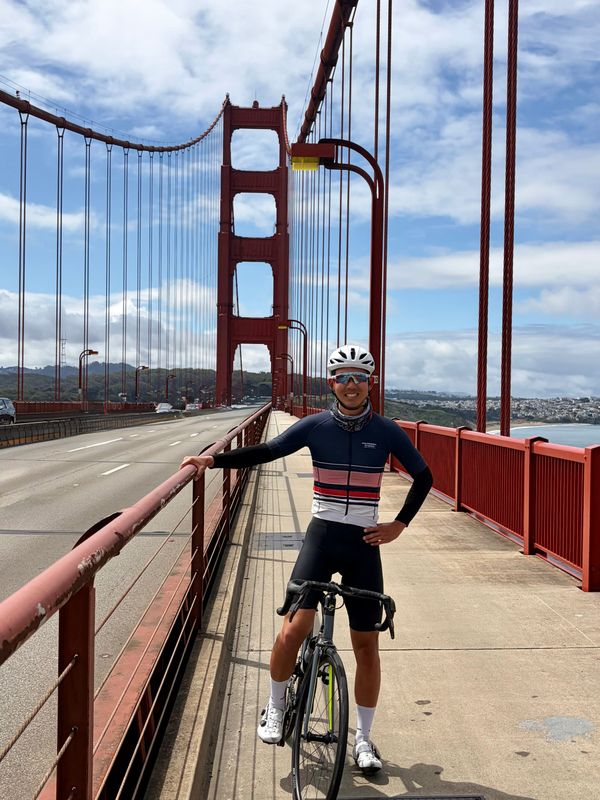
Socks are white.
Not “preferably white.” Not “white most of the time.” Just… white.
I once suggested non-white socks and was met with the kind of polite silence that communicates:
„I'm not angry. Just disappointed.” (Usually I play that card - not nice to be the one receiving it)
No one corrected me right away. That would be too straightforward.
There was simply a short pause and a look, that made me feel like I had just unknowingly violated a very specific rule no one had bothered to explain beforehand.
It was subtle. Brief.
But unmistakable.
And then there are also helmets.
At first, I assumed a helmet’s primary purpose was safety. Again: naive.
Because apparently helmets also communicate things. Certain shapes mean “fast.” Others mean “climbing-focused.” Some are “too bulky.” Some are “aero.” Some are somehow both acceptable and deeply embarrassing depending on who is wearing them.
I once described two helmets as “basically the same,” which was received with the same energy you’d reserve for someone calling all red wines identical.
Now I know better.
The helmet choice is not random. It is part engineering decision, part identity statement, and part something I still suspect cyclists are collectively making everything up as they go along.
Surprise Gear Purchases Are a Trap
This was my first real error.
It seemed logical:
„He likes cycling, I’ll buy him something for cycling.“
Simple. Easy for once!
Except cycling equipment is never just equipment. Every single item already exists inside a system of preferences that has been developed over years of:
- Research
- Forum discussions
- Product reviews
- Conversations during rides
- and opinions delivered with terrifying confidence
Nothing is neutral.
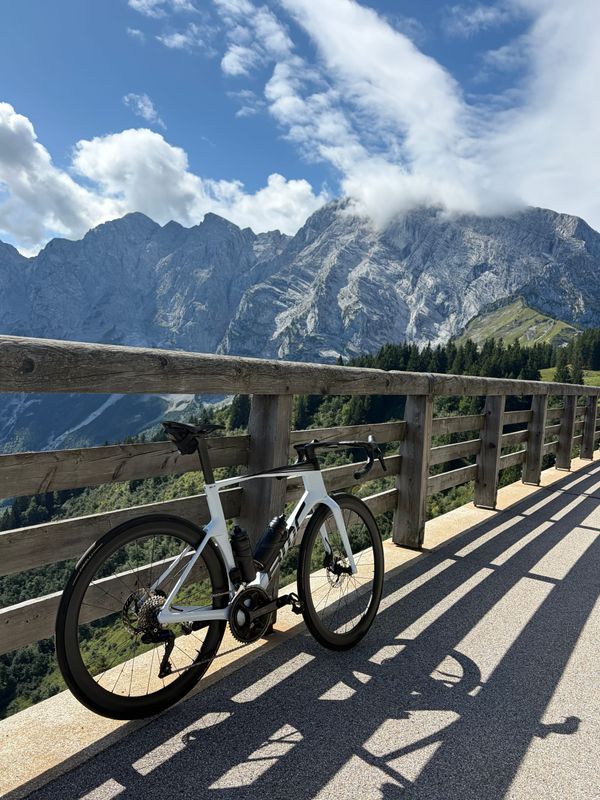
A saddle can be “too soft.” Wheels can feel “dead.” Tires apparently each have a distinct personality.
At some point I realised I was not buying gifts anymore. I was navigating in a jungle of strong opinion.
I Now Keep Notes Like I’m Conducting an Investigation
I still buy cycling gifts.
I’m just much less confident now.
At this point, I have a continuously growing list in my phone’s notes app dedicated entirely to cycling information I’ve collected over time:
- Brands he casually mentions
- Models he likes
- Things he once said about bib shorts six months ago
- Random comments about tires that somehow became important later
The notes are chaotic. Completely unorganised. More like evidence than shopping preparation.
Before I buy anything, I cross-reference the list, do research I barely understand, and usually ask one final question anyway just to make sure I haven’t misunderstood an entire category of products. But that question has to be asked in a sneaky, completely random time, to not raise any suspicion.
Because cycling has an incredibly low tolerance for “almost right.”
What Actually Works
After several rounds of trial and error, I’ve narrowed it down.
Not scientifically. Emotionally. But still.
1. Cyclist Fuel
This category is surprisingly safe.
Cyclist fuel includes gels, bars, powders, and other products that look less like food and more like something designed for a space mission.
Things from brands like Mnstry fall directly into this category:
Tiny packets with scientific branding and the texture of warm fruit paste.
From the outside, it looks deeply questionable.
From the inside, it is apparently essential performance nutrition. (I no longer ask questions.)
I just accept that cyclists will willingly consume something that resembles expensive baby food if it promises slightly improved power output halfway up a climb.
2. Things Around the Ride
The safest gifts are usually the ones adjacent to cycling rather than cycling itself.
- Coffee stops
- Post-ride pastries
- Cafés with outdoor seating where the bike remains visible at all times
These things fit naturally into cycling life without requiring technical approval from multiple people and a deep-dive internet search done on Instagram.
No compatibility issues. No setup concerns.
Just coffee and recovery cake.
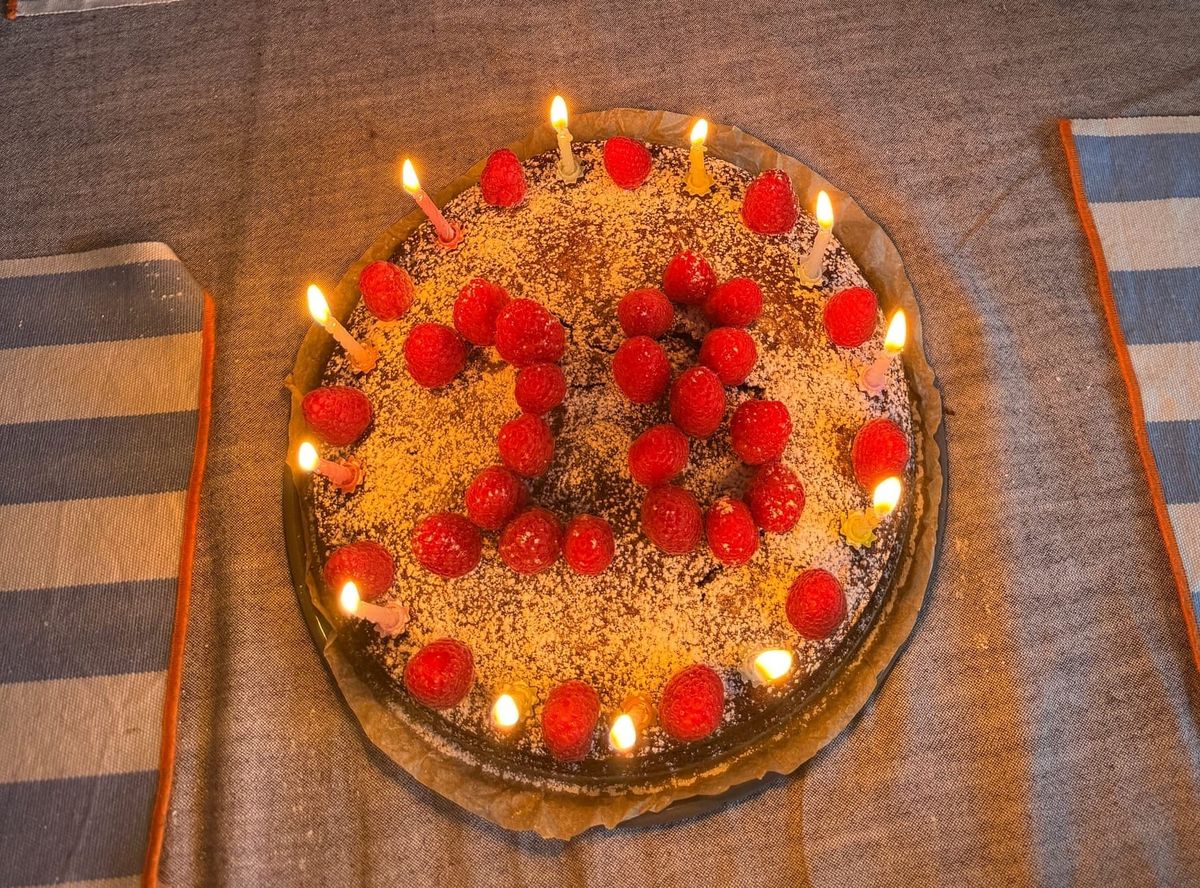
One problem: A non-cyclist girlfriend usually never joins on these, so cake at home is a safe bet.
3. Experiences > Objects
Trips consistently work better than equipment.
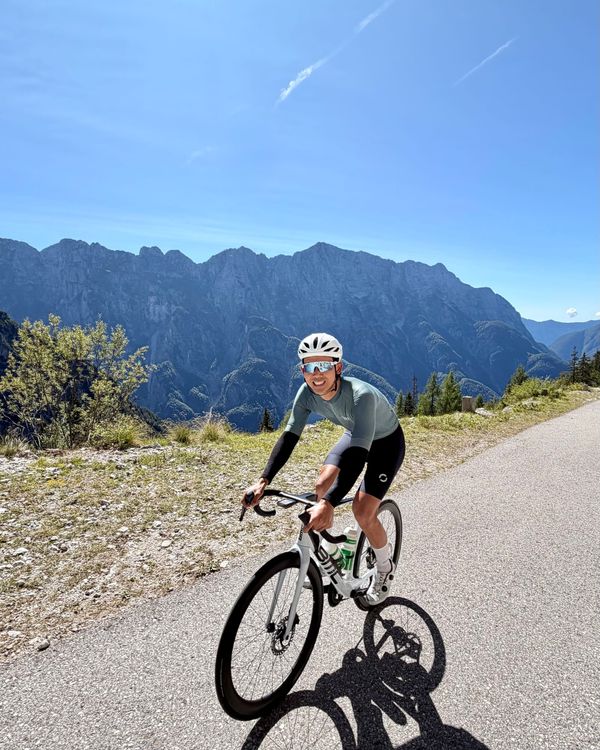
Especially anywhere involving the Dolomites or the Alps, where the gift is essentially:
“Here is a beautiful place where you can voluntarily suffer cycling uphill for six hours.”
And somehow this is considered relaxing.
Meanwhile, I spend the day drinking coffee, relaxing in the sun, and occasionally tracking a moving dot on an app while wondering why anyone willingly chooses gradients above 10%.
Everyone enjoys the mountains and holiday differently.
4. Letting Him Choose
I used to think asking what he wanted was less thoughtful.
Now I understand it’s actually the smartest option.
Because cycling preferences are so weirdly specific that trying to surprise someone can quickly become a very expensive misunderstanding.
So now I ask.
Sometimes early. Sometimes halfway through research. Sometimes right before purchasing because I suddenly discover there are three nearly identical versions of the same thing and apparently only one is acceptable.
It’s definitely less romantic.
But significantly more effective.
5. The Small Things Matter Most
The gifts that seem to matter most are usually the smallest ones. And definitely the cheapest too!
- Understanding when a big ride is coming up
- Not scheduling activities immediately afterwards
- Accepting that “recovery” is apparently a legitimate planned activity
- Pretending to actually care about detailed post-ride analysis
Nothing dramatic.
Just small acts of adaptation. (or survival even??)
Which, now that I think about it, is probably what dating a cyclist mostly is.
Again: I started this relationship thinking cycling was just a hobby.
Now I understand even gifting has become a challenge.
The clothes have rules.
The helmets have personalities.
The fuel has science.
And every decision somehow connects back to performance, comfort, aerodynamics (or tire pressure).
At this point, I've given up trying to fully understand it.
I just maintain the notes app, respect the white socks, and try not to interrupt whatever deeply important conversation is happening about rolling resistance.