Top 3 Climbing Tips
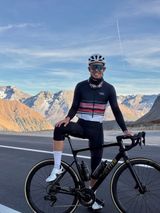
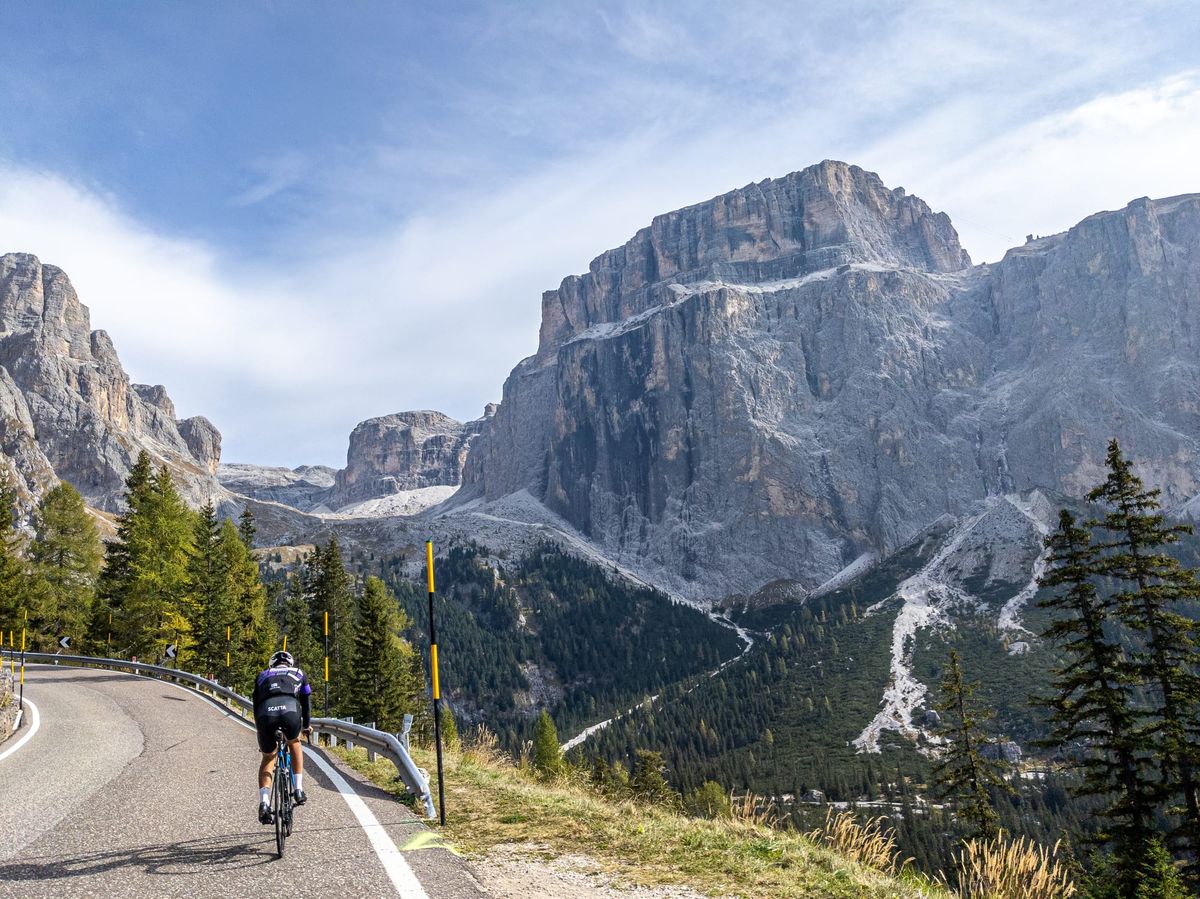
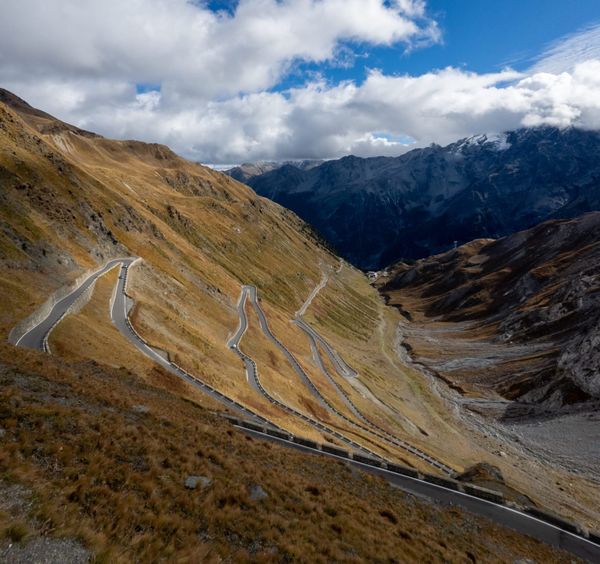
The mountains have always been my favorite terrain to ride a bike. Growing up in San Francisco where flat roads don't exist and training predominantly on Mount Tamalpais in my earlier years means climbing is in my DNA. Climbing in the mountains is undoubtedly what I love to do most. I love it so much that sometimes I believe I was born to climb. John Muir famously said, "The Mountains are calling and I must go." Those words always resonated with me.
In this article, I would like to discuss my Top 3 Climbing Tips to not only increase climbing speed and efficiency, but also to help you reach the Summit of any Mountain and learn to love climbing as much as I do.
- Spin to win
To put it simply, cadence is of upmost importance when climbing. I recommend always having a cadence of at least 85 rpm when climbing. Anything lower than 85 rpm is considered a huge loss in climbing efficiency. If we think about Power in mechanics and mathematics, it is defined as P = τ ⋅ ω. (Where P is Power in watts, τ is torque or force emitted to the pedals, and ω is the angular velocity or rpm.) In summary, more power = higher torque (pushing harder to the pedals) or higher cadence (spinning faster). Spinning faster or maintaining a high cadence is much more sustainable than pushing high torque at a lower cadence. Therefore, to climb fast and efficient, you need to ride at a high cadence.
If you don't believe the math, we can observe the riding style of every Tour de France Champion. High cadence climbing has been used by all the great Champions in cycling - Armstrong, Froome, and Pogacar are all great examples, who climb with extremely high cadence. Chris Froome was well-known to use MTB cassettes on his climbing bike to maintain a high cadence. Today, we are seeing Tadej Pogacar switch to 165mm cranks to promote higher cadence. Shorter cranks not only open up the hip angle and support a more aerodynamic position for specific rider types, but they also promote higher cadence by decreasing the length of the axis at the bottom of the pedal stroke. For all of these reasons, high cadence is without a doubt the most important aspect of climbing fast and efficiently.