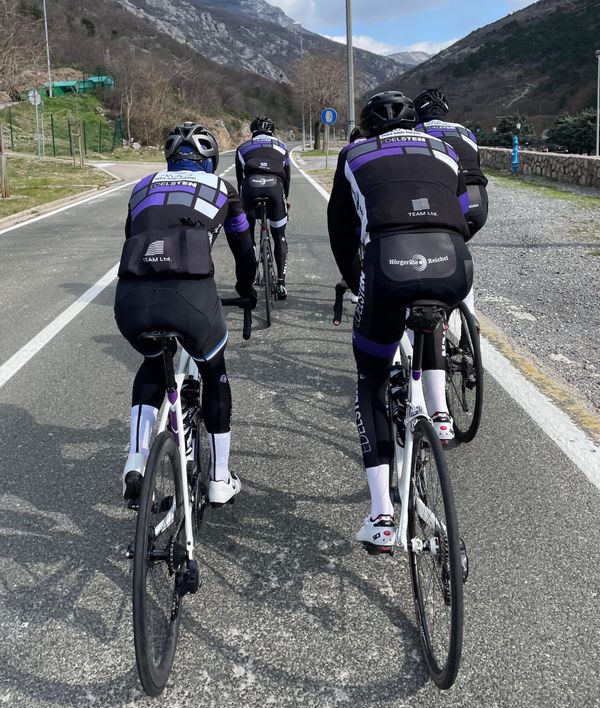
The Relevancy of Metal Bikes

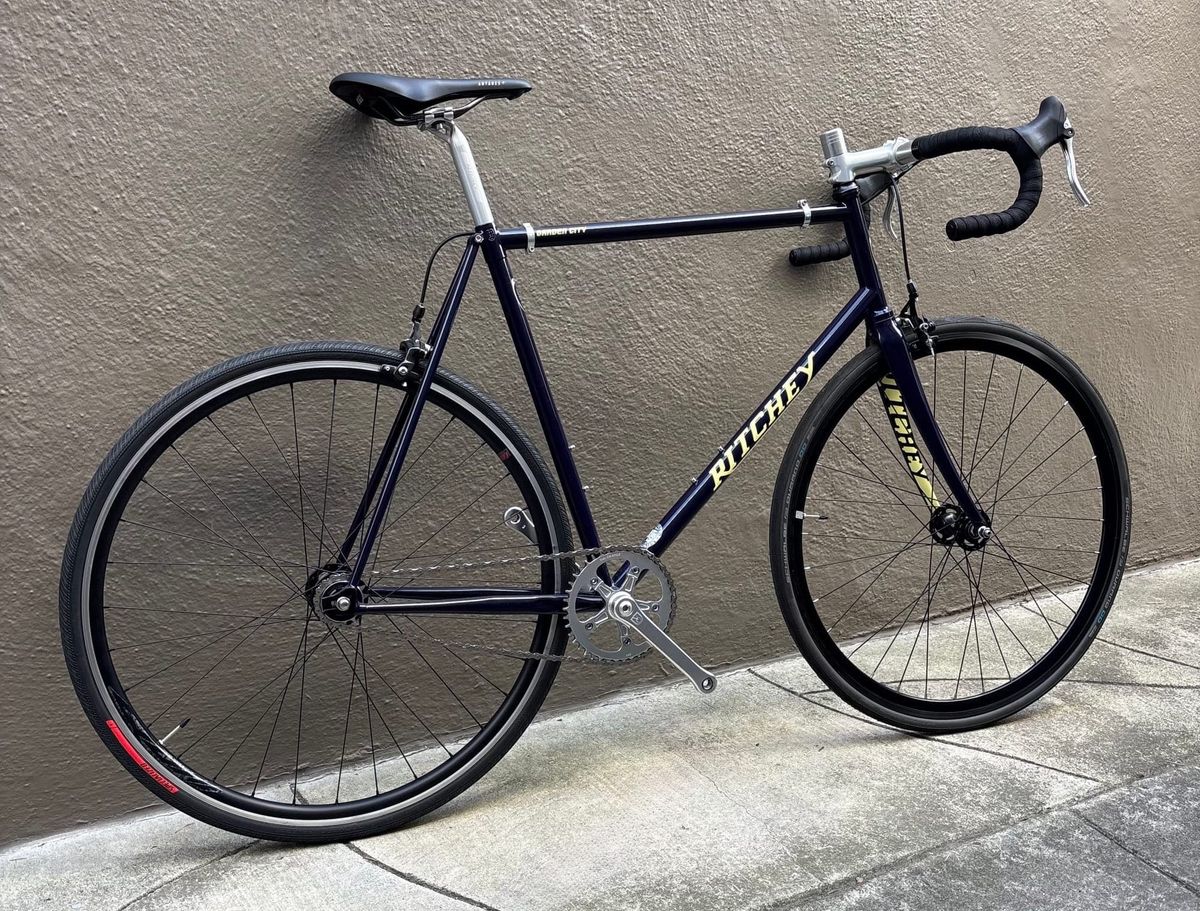
Before cycling became inundated with carbon, cyclists rode beautiful metal bikes made of steel, titanium, and more recently alloy. Feel free to call me a cycling romantic, but these were the glory days of cycling when we rode hand-made metal bikes with feedback from the road that just doesn't exist with carbon bikes.
So why are metal bikes still relevant in 2026? When speed is not the top priority, the sensational feel of metal bikes are hard to ignore. To this day, steel bike lovers stand-by the ride characteristics that steel delivers. (Steel bikes deliver a liveliness, springiness, and connection to the road that just cannot be achieved with a carbon bike.)
Metal bikes are also superior to carbon bikes because of their durability and longevity. To put it simply, metal bikes are bombproof. They can be crashed, dented, and repaired for a lifetime. On the other hand, I've seen some horrific carbon bike crashes in my time. The worst sounds in the Peloton are always the sound of riders hitting the deck, and the unmistakable sound of carbon splitting on the tarmac. Steel, titanium, and alloy do not splinter and shatter upon impact like carbon. Metal deforms upon impact and can also be repaired in the worst case scenario.
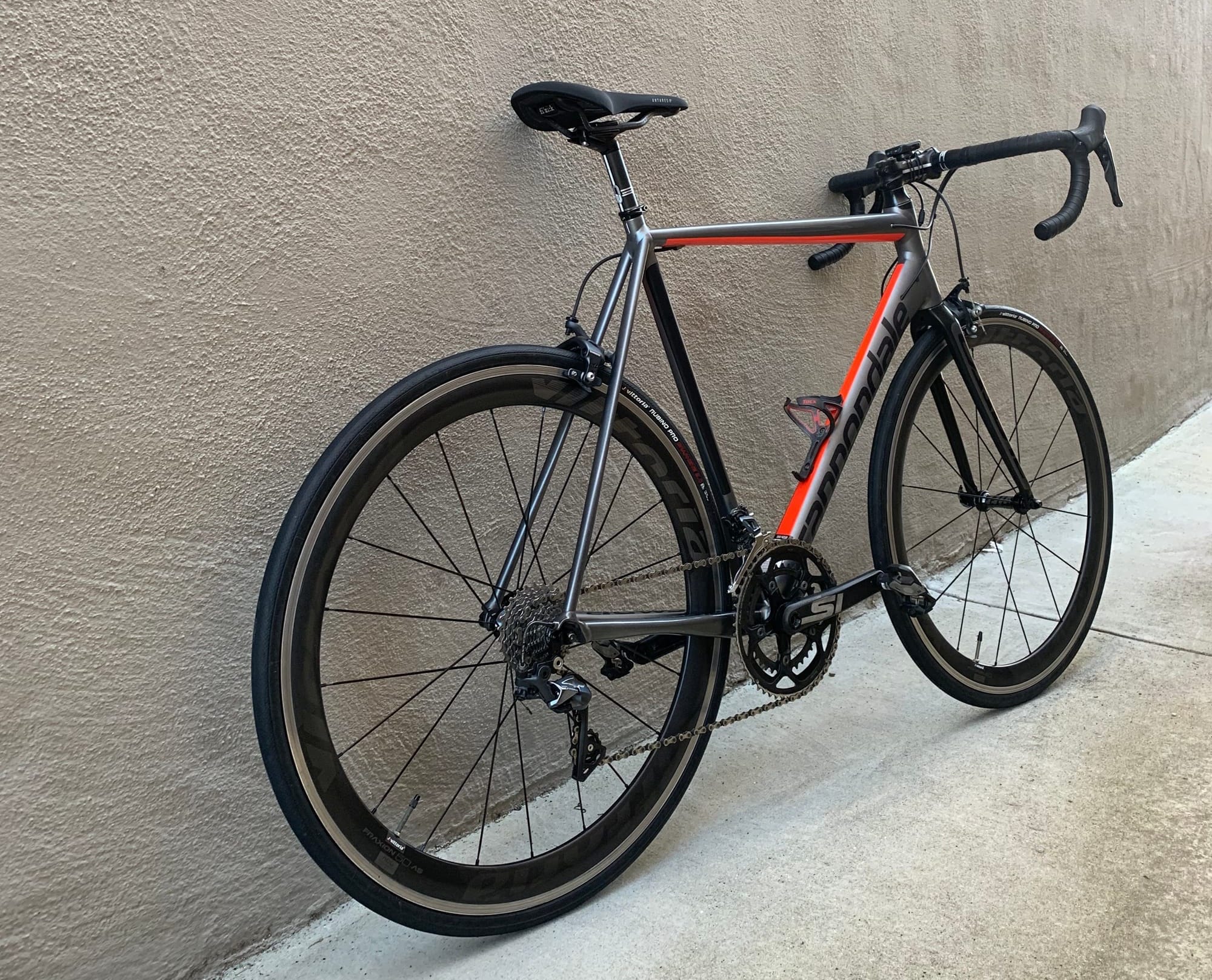
Another common misconception is that metal bikes look "outdated" and "traditional". However, the reality is that the design of metal bikes are timeless. Disregarding bicycle aerodynamics, the round and long tube shapes featured on metal bikes are considered by engineers the stiffest and most compliant shapes possible on a bike. Looks can be very deceiving on metal bikes...
Metal bike manufacturers also have the ability to create a custom geometry for riders looking to buy a metal bike. (Ex: Ritchey, Tomassini, Officina Battaglin, Stelbel, Baum Cycles, Mosaic, Pegoretti, Moots) Not only can metal bike manufacturers tailor a custom geometry specific for a cyclist's body type, but they can also adjust the tube thickness based on the type of cycling done by the rider. While it's true that carbon fiber can be molded into more "aerodynamic" shapes, it's much easier to design and build a metal bike based on a cyclist's preferred riding style and geometry.
Metal bike design and manufacturing is also rarely done on a large OEM scale like carbon bikes, rather metal bikes are often times made individually by craftsmen and artisans. This means the final product is not only higher in quality, but each of the tubes have been inspected, checked, and customized for the rider before final welding and build-up.
There are three available materials when designing and considering a metal bike - steel, titanium, and alloy. The pros and cons of each are the following:
- Steel
- Pros: Lively/elastic ride feel, robust, long-lasting, customizable geometry
- Cons: Oxidation susceptible
- Titanium
- Pros: Smooth/supple ride feel, oxidation resistant, robust, customizable geometry, lightweight
- Cons: Expensive
- Alloy
- Pros: Confidence inspiring ride feel, Bombproof and sustainable material
- Cons: More difficult to repair catastrophic failures
In summary, unless racing or chasing the most speed on the road, metal bikes should undoubtedly be the best option for most amateur cyclists. The unparalleled ride experience, lifetime durability, and individuality options of metal bikes make them for most use-cases a superior alternative to carbon bikes.