Oh No, I’m Becoming a Cyclist ;(
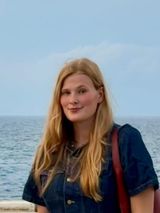
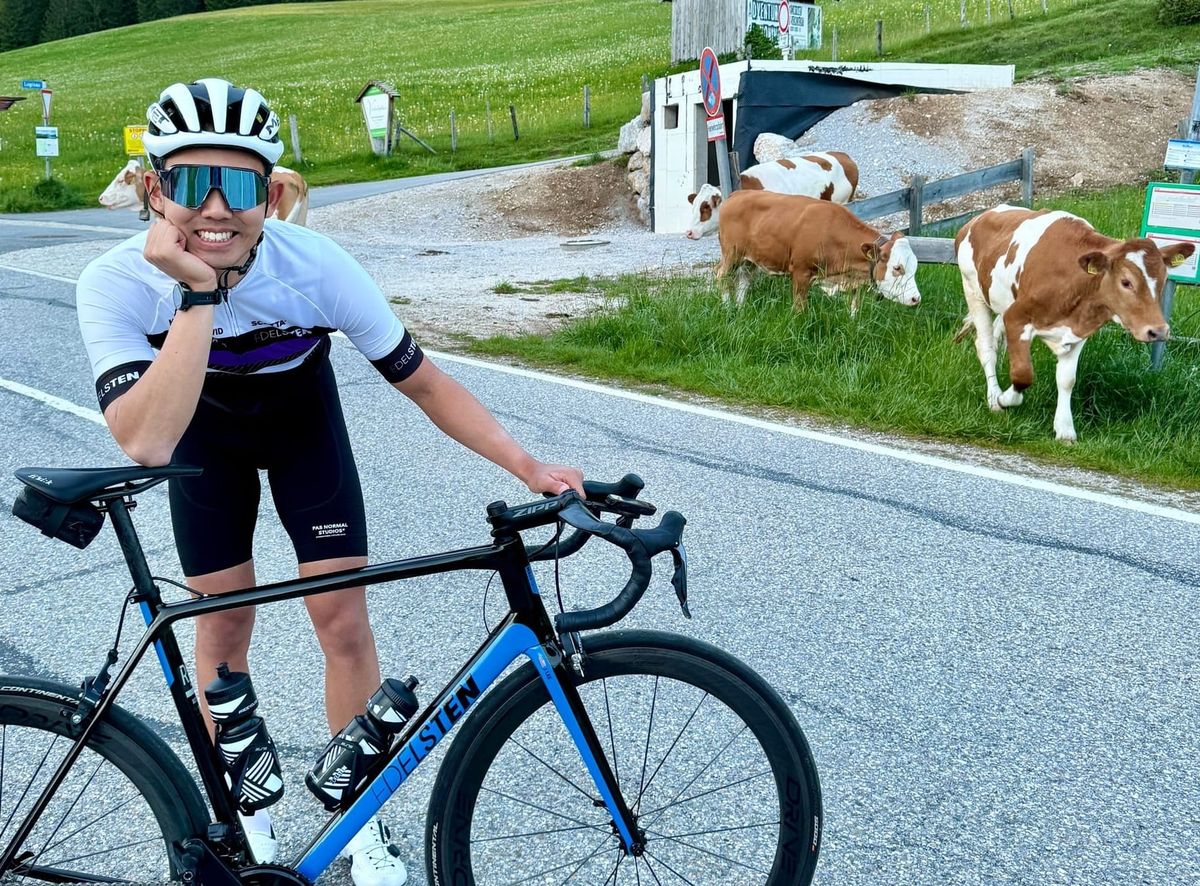
I never planned on becoming a cyclist.
In fact, I still don’t think I am one.
I don’t own a road bike.
I don’t know my FTP.
And I have never voluntarily gone out for a ride before breakfast.
But somewhere along the way, something changed.
I started understanding what my boyfriend was talking about.
And, even worse, I started knowing things he hadn’t told me.
It all Started With the Bikes
At first, road bikes all looked the same to me.
Two wheels, thin tires, a very uncomfortable-looking seat and a person wearing far too much Lycra.
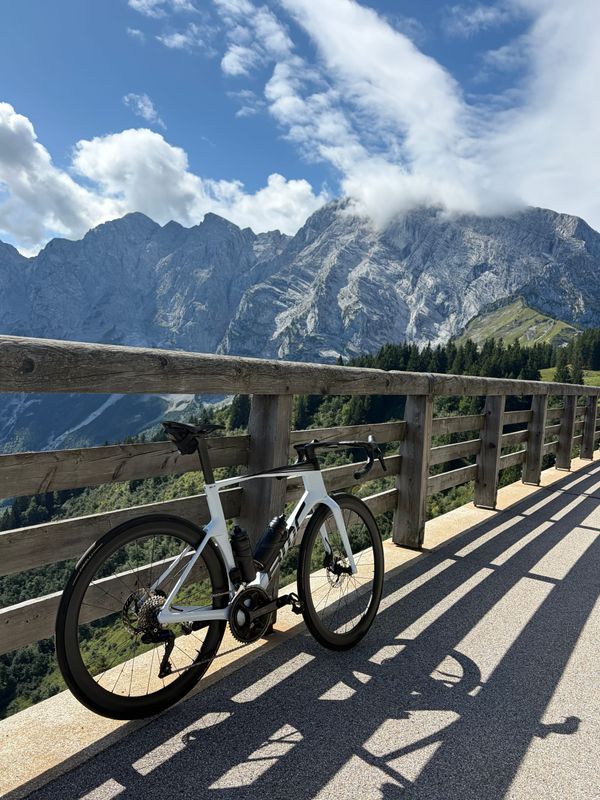
Then came carbon.
I learned that a bike being made of carbon was apparently not just a fact about the material. It was a reason to have an entire conversation.
Carbon could be light.
It could be stiff.
It could be aerodynamic.
And apparently, it could also be very, very expensive.
I didn’t understand why anyone would care about saving a few hundred grams.
Until I started noticing the bikes myself.
Suddenly, I could tell when a frame looked particularly nice.
I noticed deep-section wheels.
I noticed when a bike had completely integrated cables.
I even started having preferences.
This was my first warning sign.
Somehow, I Became Part of the Workshop
Then there was the handlebar tape.
I don’t remember exactly when this became my responsibility.
But somehow, I became the person who puts the handlebar tape on. (For free by the way!)
And once you’ve wrapped enough handlebars, you start developing opinions.
Too tight. Too loose.
Too much overlap. Not enough overlap.
The finishing tape is crooked.
The whole thing needs to be redone.
I never expected to have opinions about handlebar tape.
Yet here we are.
I have also acquired an alarming amount of knowledge about things that have absolutely no relevance to my everyday life.
For example, I now know that you can’t just cut a bike fork whenever you feel like it.
I know that the number of spacers matters.
I know enough about shortening a fork to ask questions that sound completely normal to me and deeply concerning to everyone else.
At some point, I realized I was standing next to a bike discussing whether a fork could be shortened and what would happen to the spacers and also expanders.
This was not information I had sought out.
It had simply accumulated.
Then Came the Numbers
Cyclists have a strange relationship with numbers.
Normal people ask: “How was your ride?”
Cyclists ask: “How many kilometres?”
Then: “How much elevation?”
Then, somehow: “What was your average power?”
I used to think this was excessive and why would you even care?
Now I know what FTP means.I don’t know my own FTP, but I know what it is.
That distinction feels important.
Then there is watts per kilogram.
This is where things get dangerous.
Because once you start talking about watts per kilogram, you are no longer discussing whether someone had a nice bike ride.
You are discussing performance.
And apparently, that is a completely different conversation.
VO2 Max
Then there was VO2 max. (lord save me)
I‘ve heard this term before.
Usually in connection with running watches and people who are much fitter than me.
But cyclists talk about it differently.
Suddenly someone’s VO2 max is not just a number on a fitness app and something weird people on Youtube are talking about.
It is something to improve. Something to compare.
Something to mention when discussing professional cyclists.
And eventually I found myself watching a race and thinking:
“His VO2 max must be insane.”
I had to stop for a moment.
Who was I? Is the real Sophie still in there?!
The Tour de France
I also started watching the Tour de France.
Not every stage. Let’s not get carried away.
But enough to know who some of the riders are.
Enough to understand why a mountain stage matters. And also why certain wins matter more than others.
Enough to know that when someone says “the peloton”, they are not talking about a fancy stationary bike at home.
And enough to appreciate how ridiculous the whole thing actually is.
Professional cyclists can ride for hours, climb mountains and produce numbers that make my own cycling statistics look like a commute to work, trying to sweat as little as possible.
The more I learned, the more slightly impressive it became.
And the less convincing my old argument of “it’s just riding a bike” sounded.
Then Came the Giro
At some point, the Tour de France wasn’t the only race I recognized.
There was the Giro.
Italy. Pink jersey. More mountains. Beautiful roads.
And, apparently, a very important distinction between watching cycling and really watching cycling.
I started recognizing the races. Passo de Stelvio? Amazing!
I knew when the mountains were coming.
I started understanding why certain stages mattered.
I even started having an opinion about which routes looked the most beautiful.
This was getting out of hand.
The Conversations Changed
The strangest part wasn’t that I was learning all these things.
It was that they started appearing in normal conversations.
Justin would tell me about a ride.
I would ask how many watts he averaged.
He would tell me about a climb.
I would ask how steep it was.
We would look at a bike.
I would notice the wheels.
He would mention a rider.
I would actually know who he was talking about.
And if something needed doing to the bike, I was increasingly likely to be involved.
“Can you help me with the handlebar tape?”
“Yes.”
“Do you think we should cut the fork?”
“Absolutely, but let’s check how much room to maneuver we actually have first.”
I am not sure when this became my life.
The Moment I Realized
The moment I knew something had changed wasn’t when I learned what FTP stood for.
It wasn’t when I understood what VO2 max meant.
It wasn’t even when I started watching the Tour de France.
It was much more subtle.
We were looking at a bike.
Justin was talking about the frame, the wheels and the weight.
I was listening. Definetly not voluntarily.
Then I looked at it again and said:
“I think I’d prefer the lighter one with the integrated headset.”
He stopped. Looked at me. And smiled.
“What?”
“Nothing.”
That was all. But I knew.
Because a year earlier, I would have had no idea why the weight mattered.
Now I did.
Not enough to buy the bike. Not enough to start racing.
But enough to understand the appeal.
Maybe That’s the Problem
I don’t think I’m actually becoming a cyclist. Probably never ever.
At least, not in the traditional sense.
I still enjoy arriving somewhere without having to earn it by cycling there first.
I still prefer a comfortable chair to a saddle.
And I have absolutely no desire to discover my own FTP at six in the morning.
But I have started to understand why people care.
Why a carbon frame matters.
Why watts matter.
Why a climb can be exciting before you’ve even ridden it.
Why the Tour de France can turn a normal afternoon into three hours of watching people in speedsuits ride up a mountain.
And why someone can look at a bike and immediately know that it’s special.
I have also somehow become the person who wraps the handlebar tape.
The person who knows that fork length and spacers matter.
The person who knows what FTP stands for.
Which is a surprisingly long way from the person who once thought all road bikes looked the same.
So maybe I’m not becoming a cyclist, maybe I’m just becoming fluent.
And occasionally, when Justin tells me about a ride, I even know what question to ask next.
Which is probably the biggest warning sign of all.
Because last week, completely unprompted, I asked:
“So… what was your average power?”
Justin looked at me.
I looked at him.
Neither of us said anything.
Oh no.
I’m becoming a cyclist.