Cycling Recovery Tips

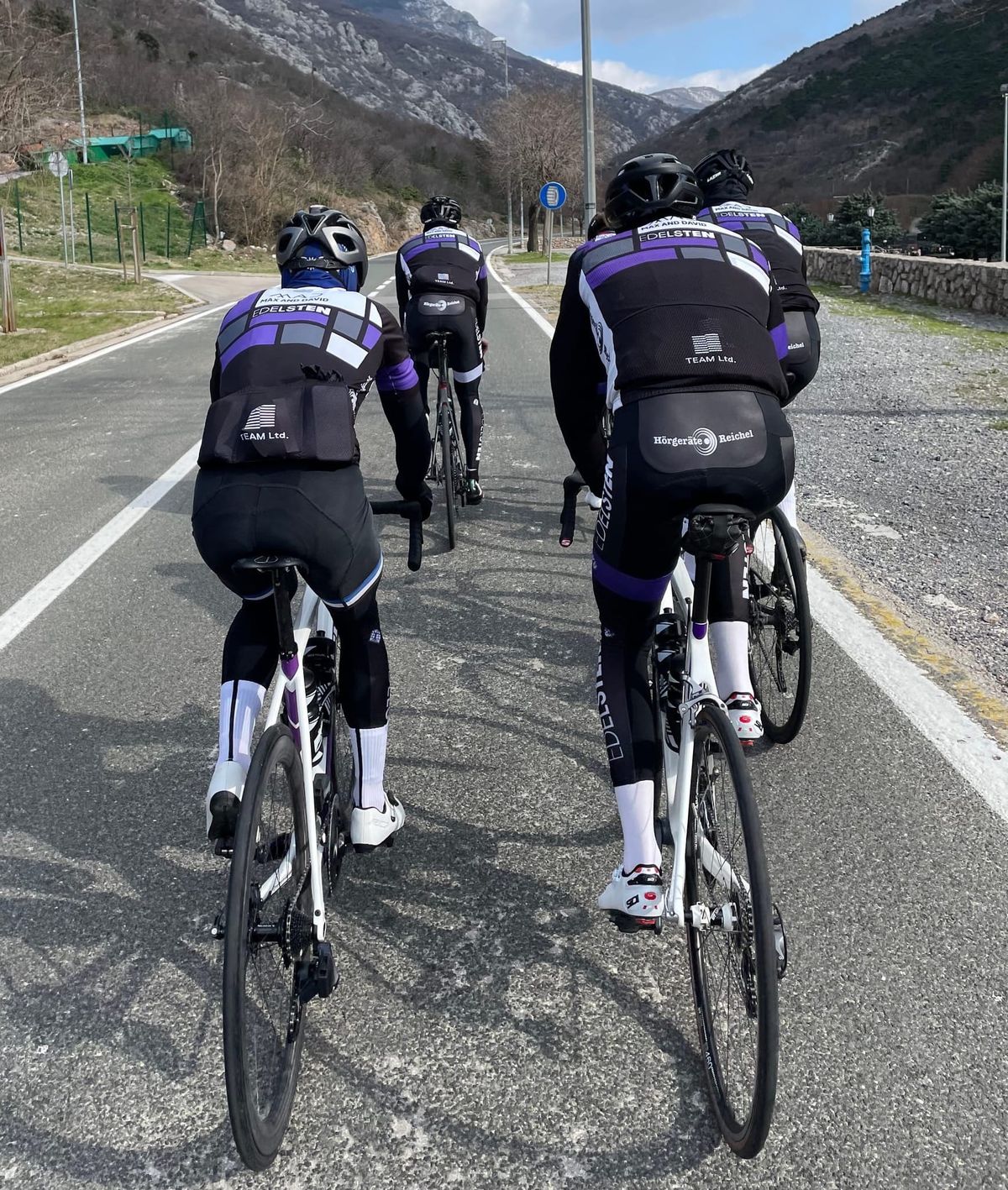
Proper recovery is the single most important aspect in cycling training. Without recovery, the body cannot adapt to higher-intensity training, and ultimately does not become stronger.
As mentioned in Cycling Training 101, training to become a stronger cyclist is a continuous adaptation to higher stress, load, and fatigue. In order for the body to absorb more intensity and kilometers on the bike, the body needs to recover from the previous trainings to ultimately target higher intensity in the next training block. In its simplest form, cycling training or any endurance/strength training for that matter is the following:
- train
- recover
- train with higher intensity or stress
- recover
- repeat....
The main consequence of not taking recovery seriously when setting training goals is plateauing. In training terminology, a plateau is when an athlete's training has "leveled", or is not capable of increasing intensity. (Example of plateauing in cycling: A cyclist trains 10 - 12 hours a week consistently for 3 years, but does not see huge gains in performance or FTP.) A cyclist, who is training consistently, but not seeing performance gains, is either incorrectly increasing stress/load in training or alternatively not recovering properly. The problem is generally the latter.
In this article, I would like to provide my top cycling recovery tips. I have found all of these tips helpful to not only increase the effectiveness of structured training, but I have also found them helpful to lay the foundation for consistent training success in the long-term.
- Sleep
Sleep is without a doubt the most important aspect of recovery. Cyclists, who are serious about training and becoming faster, should sleep at least 8 hours every day. I have found that consistently getting a good night's sleep is the best method for handling a big training load, as well as effectively absorbing thousands of kilometers on the bike.
When I was more serious about my training and wanting to get the most out of every training session, I was in bed everyday at 8:30 pm and asleep by 9:00 pm. There were no exceptions to being in bed at 8:30 even on Friday and Saturday nights. (If you want the best from your body, you have to be willing to make the sacrifices.)
There are numerous benefits in regards to prioritizing sleeping. For cyclists, sleep allows the body to repair the muscles broken down in training, as well as allow the body to equalize and restore our hormones. When training on the limit every single day, it is not uncommon for men to develop low-testosterone and for women to experience reduced levels in estrogen. In addition, both men and women are prone to excessively high cortisol when training with high-intensity and for long-hours (~20 hours a week on the bike). Maximizing sleep is the best way to mitigate low energy availability and reduced hormones from training on the limit.
- Treat recovery days as recovery
The number one mistake cyclists make in their training is not taking recovery days seriously. In other words, if you have a coffee ride planned, just roll to the coffee shop and back. If you have a rest-day planned, try to do as little as possible. Recovery days should be enjoyed after so many hours of hard intensity and training. Enjoy them and do not do any intensity or go for Strava KOMs/QOMs on your "recovery" day!
- Nutrition
Nutrition can encompass a lot in cycling. However, I believe the most important nutrition pillars in regards to recovery are the following:
- Fueling properly on the bike
- As mentioned in Favorite Cycling Nutrition, fueling on the bike is more important than ever. Amongst other things, proper fueling "on the bike" sets a cyclist up for optimal recovery "off the bike". Fueling with carbohydrates and recovery are interconnected because our muscles run primarily on glycogen. In other words, during training the body's glycogen storage depletes. If a cyclist fuels properly on the bike, recovery time is decreased through replenished carbs absorbed during riding. Ultimately, this results in the body needing less time to replenish the lost glycogen.
- Fueling properly off the bike
- Another common mistake amongst cyclists is under eating. (There is a very fine line between healthily losing weight to optimize W/kg and under eating.) For example, it is not uncommon for me to burn over 5500 calories in one 7 hour ride in the mountains. As a result, it is always important to replenish those lost nutrients and calories as best as possible through prioritizing carbohydrates and nutrient dense foods off the bike. In regards to recovery, fueling off the bike helps to restore glycogen lost during riding, and helps repair and build broken-down muscles. In addition, proper fueling also supports increased mitochondria growth through adaptations gained whilst training.
- Hydration
- In summary, dehydration slows recovery and increases fatigue. After cycling, it is not uncommon to lose 500g to 1 kg of water weight. Therefore, it is important to always replenish the lost fluids as quickly as possible after a ride to initiate recovery. With enough water, the body can increase circulation and immediately initiate recovery in the muscles. It is also important to note that water optimizes red blood cell function in the body by increasing blood plasma volume and decreasing blood viscosity. (Red blood cells are important for cyclists because they transport oxygen in the body.)